
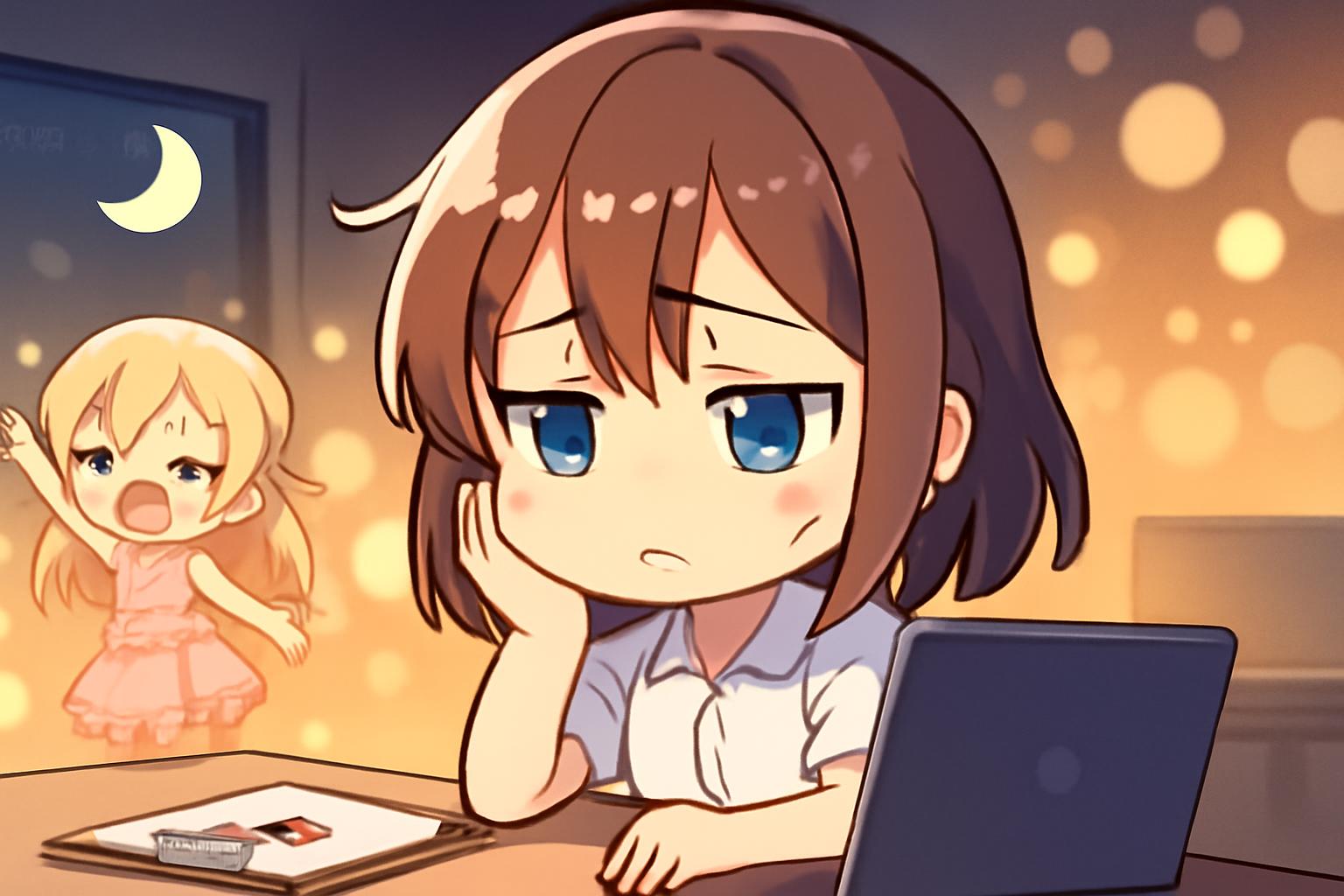
Interviews with industry workers reveal long hours, meager pay, and a culture of overwork behind K-Pop’s glittering image.
The glamour of K-pop masks a brutal working reality for many staff. Behind the glittering stages, workers say they are subjected to long hours and intense workloads, with schedules that stretch from late night into dawn. After every album or concert, the number of work chat groups multiplies, and the system prioritizes artist care over workers’ welfare. Burnout has become common, with some staff saying there are always too few people to do the work and that they are told to carry on anyway.
Interviews with industry workers depict wages that do not keep pace with the long hours. The first salary can be around 1.5 million won, and after expenses such as equipment, snacks, and overnight travel, take-home pay can be only tens of thousands of won. A survey by a labor rights center found average earnings around 2.95 million won, with some workers earning below the minimum wage and few receiving overtime pay or incentive bonuses.
Correcting this culture requires more than isolated cases. A makeup artist said they worked nights and weekends, with weekly hours over 52 and days off spent working off-site, monitoring social media and fan forums until 1–2 a.m. They described chains of 50–70 work chats that require attention even if the task is not theirs, contributing to burnout and, in some cases, leading to medical or mental-health treatment.
Another makeup artist noted the routine during comebacks: working from late night into early morning with few staff to adjust makeup during tight schedules; overseas awards trips often require overnight stays and sleeping in transit. The industry’s growth has deepened the pressures on staff who often have little protection or recognition.
There are reports of colleagues who were ostracized or left without album credits after raising concerns about unfair treatment. Health issues such as gastritis and heart conditions are common, and some workers continue mental-health treatment after leaving the industry. Experts say a K-pop labor council should be established to standardize contracts and monitor working conditions, drawing on reforms in other sectors. They also emphasize gender dynamics, noting that most workers are young women, and warn that structural change is needed to prevent continued exploitation.


Leave a Reply